||
Inquire

Savoir-Faire

The patience of craft. From raw hide to finished object.

From Steppe to Atelier

The house holds the leather chain end to end. Material is sourced on the steppes of Mongolia, tanned through a process unchanged since 1789, and shaped into finished objects in the Biên Hòa atelier.

It is rare for a single house to hold all of these stages. JR considers vertical integration not a strategy but a precondition. There is no other way to know what an object is made of.

Mongolian lambskin. Python. Ostrich. Each material chosen for its singularity.

The Long Patience

Each hide begins on the steppe, sourced from herders whose practices have not changed in centuries. The climate, with its long winters and dry summers, produces leather of unusual density.

From the steppe, the hides travel to the Rostaing tannery and undergo a process unchanged since 1789. Time is the essential ingredient. Some hides spend more than a year in the pits before they are considered ready.
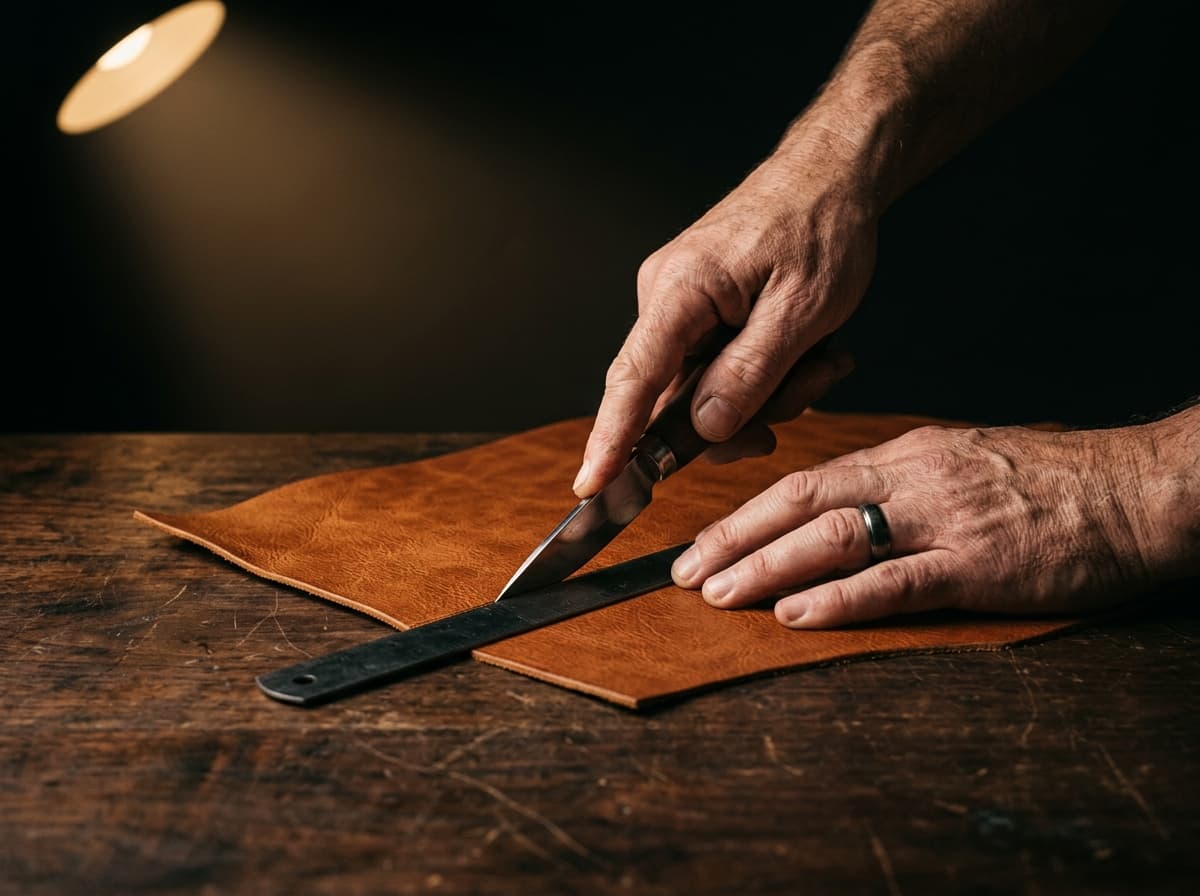
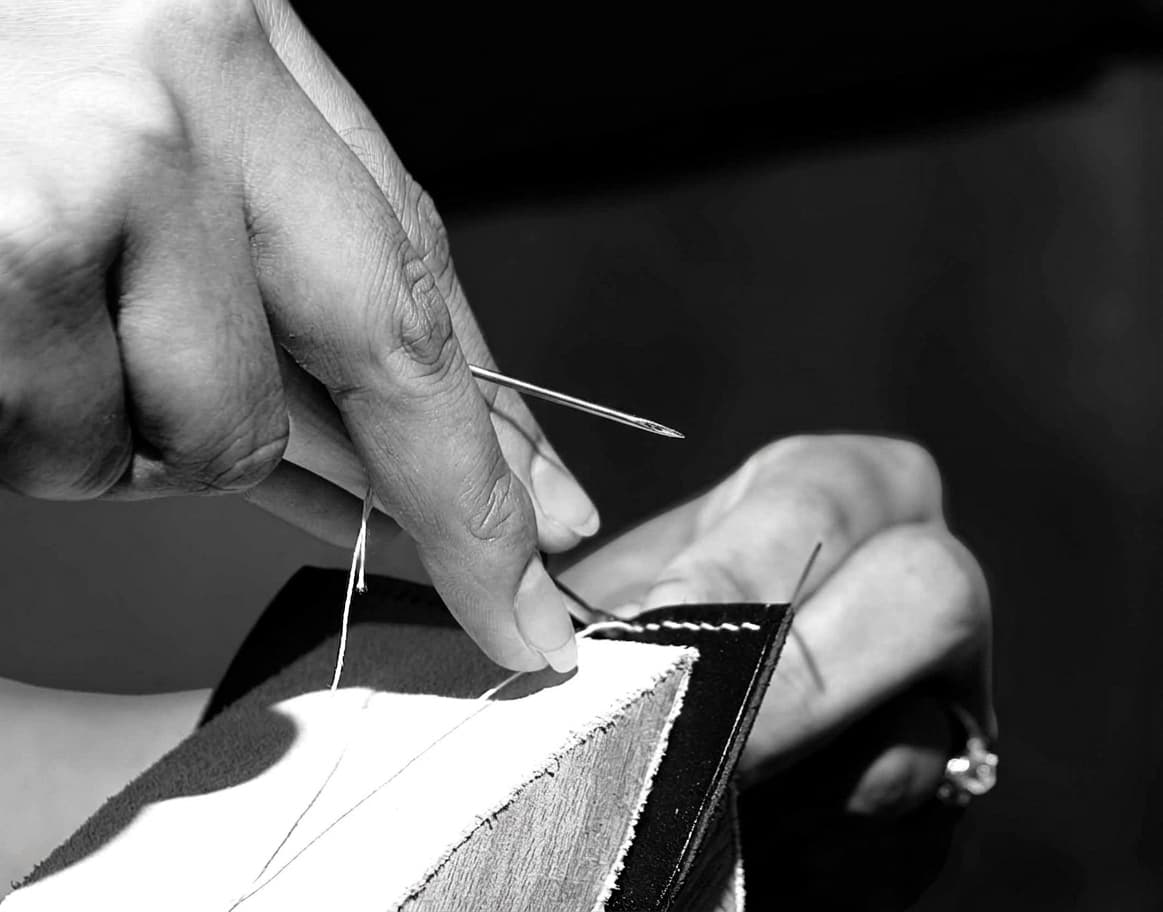
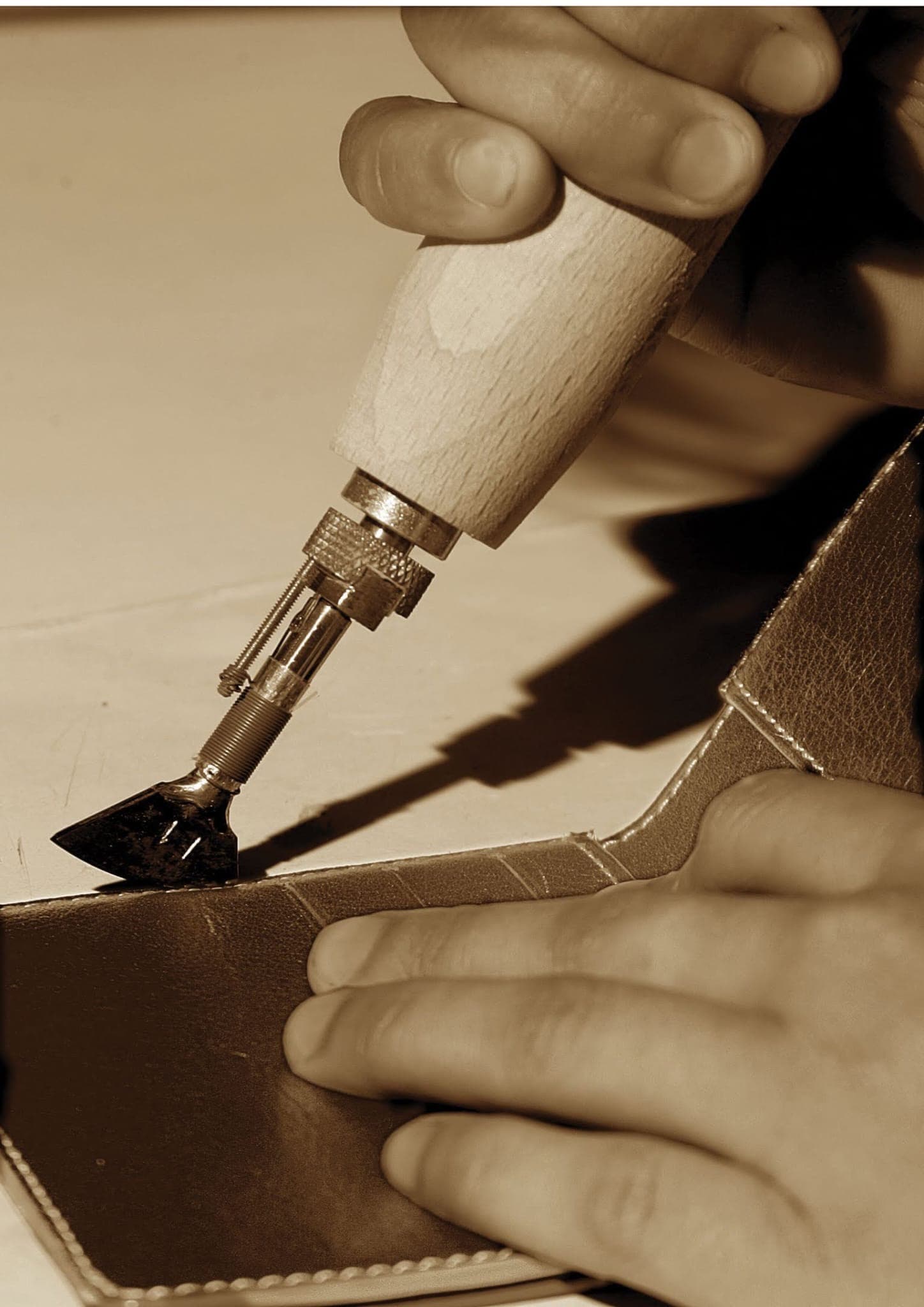
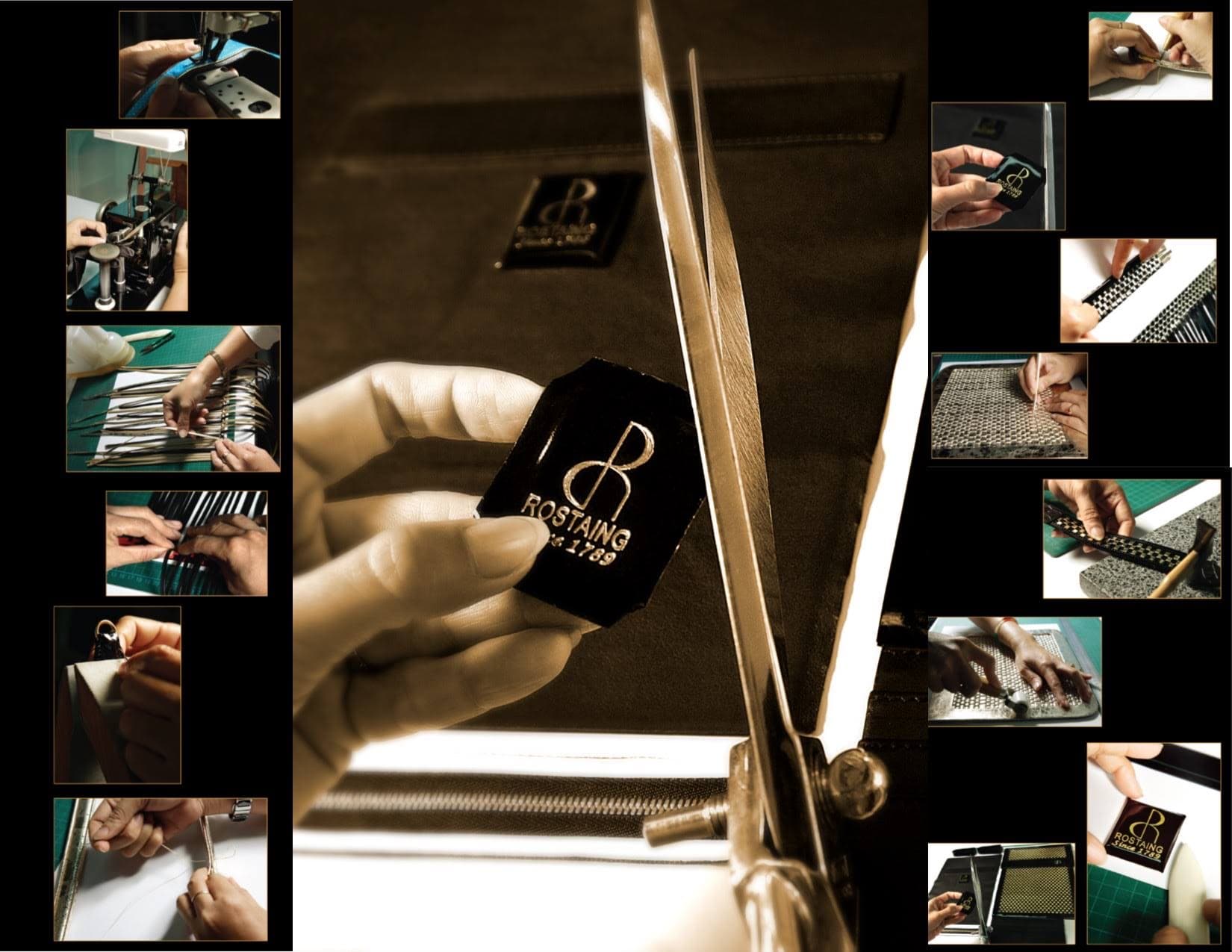
In Biên Hòa, the atelier holds nearly a hundred artisans. Each piece is worked by a single pair of hands, from cutting to closure.

A bag remains with one artisan for days at a time. The work is not divided into stations. The piece is finished, or it is not.

The Details That Define

Recognition of a JR object lives where the eye barely catches. The depth of stitching, the radius of a burnished edge, the weight of a closure resting in the hand.

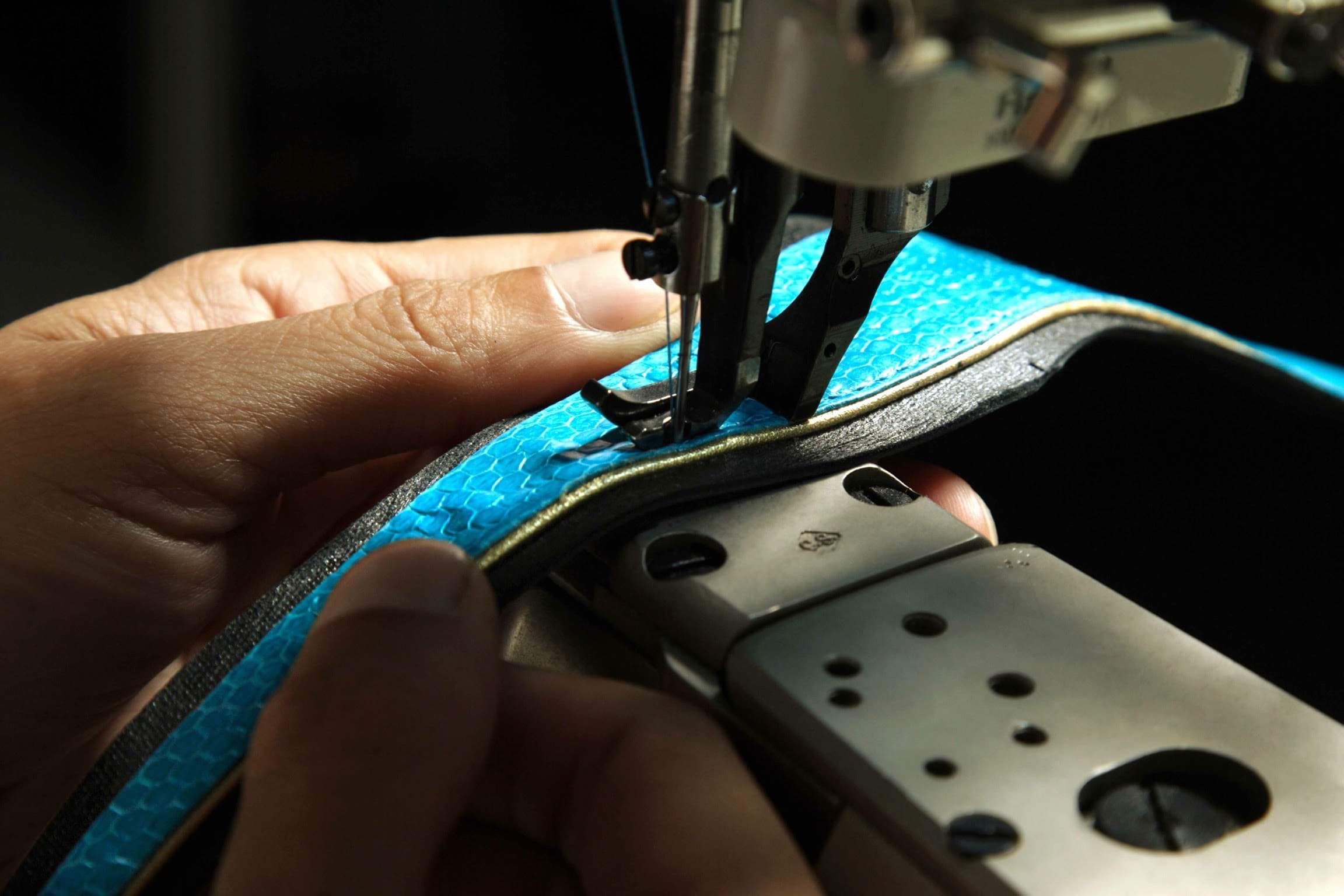
Saddle stitch, thread by thread.
Edge burnished by hand.
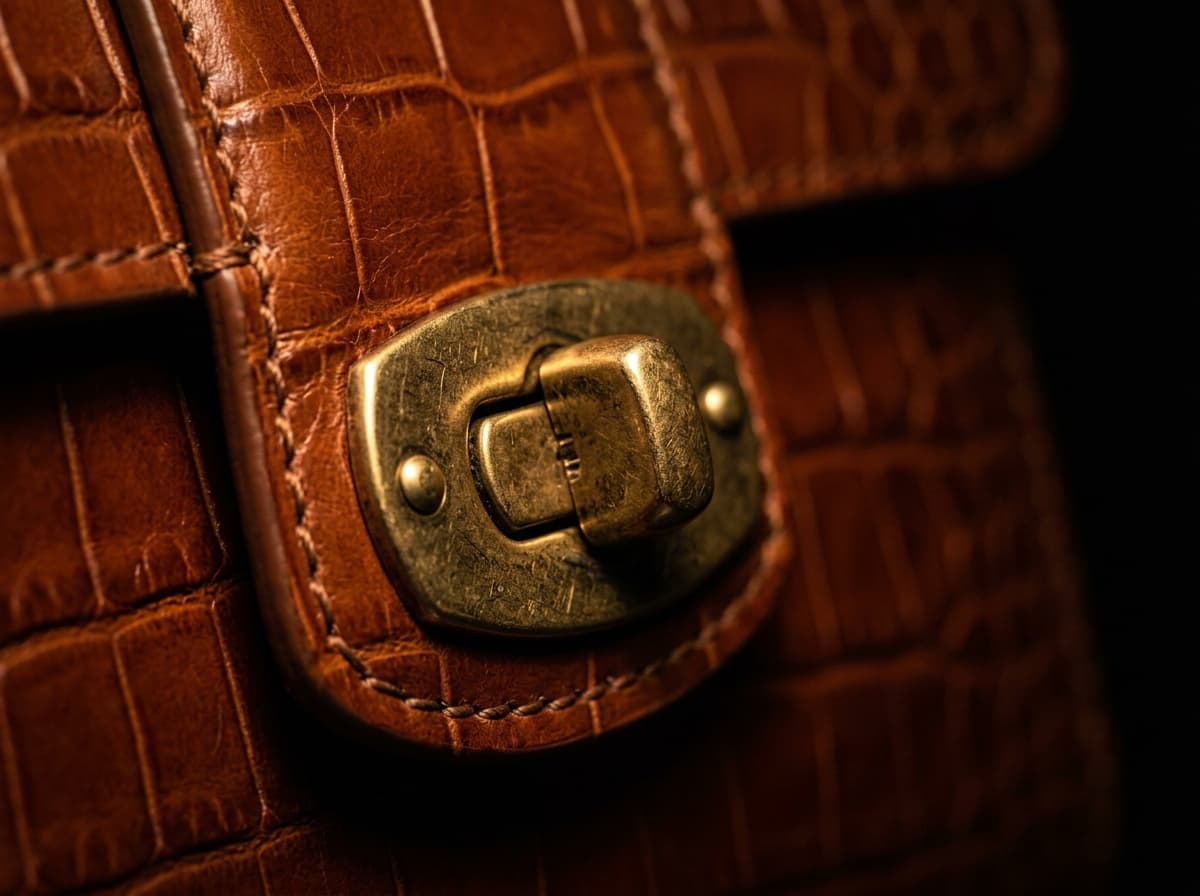
Solid hardware, set in patience.
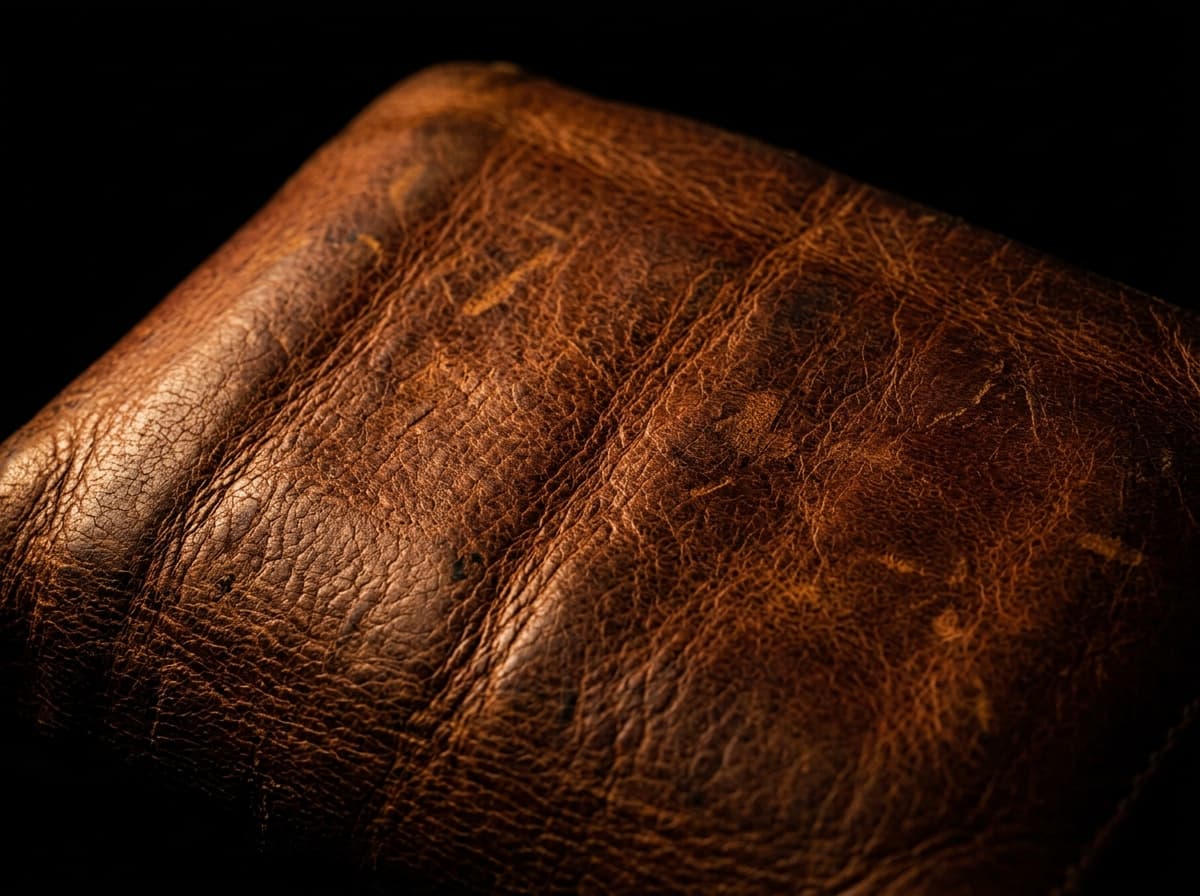
Leather, written by time.